

SIGIRIYA
Sigiriya Lion Rock is an ancient fortress known for its massive column of rock rising nearly 200 meters high. The site dates to King Kasyapa's reign around 477 to 495 AD, when he built a palace atop the rock accessible only through a carved lion's mouth.
The rocky plain formed from an extinct volcano's magma stands 200 meters above surrounding forest. Visitors are amazed by the unique harmony between nature and human imagination displayed throughout this magnificent ancient complex.
Western walls are covered with frescoes from the Kasyapa period, with eighteen still surviving today. These paintings depict beautiful women and celebrate feminine beauty with remarkable historical impact on Sri Lankan art and culture.
The mirrored walls were once polished so finely that the king could see his reflection. Ancient inscriptions and poems written by visitors cover these walls, with the oldest dating back to the ninth century.
Called the eighth wonder of the world by locals, Sigiriya attracts thousands of tourists annually. It remains the most visited destination in Sri Lanka, offering significant archaeological value and breathtaking views from the summit.


TEMPLE OF TOOTH
The Temple of the Sacred Tooth Relic houses the left canine tooth of Gautama Buddha. Venerated by thousands of devotees daily, this UNESCO World Heritage Site was inscribed in 1988 for its immense cultural and religious significance.
The architecture showcases a unique Kandyan style combined with elements from previous kingdoms' Dalada Mandira shrines. Intricate carvings in gold, silver, bronze, and ivory adorn the temple's magnificent halls and chambers.
Built near Kandy's ancient Royal Palace, the temple faces the famous Kiri Muhuda lake to the south. The surrounding Udawaththa Kelaya forest reserve and nearby Natha and Paththini Devala complete this sacred landscape.

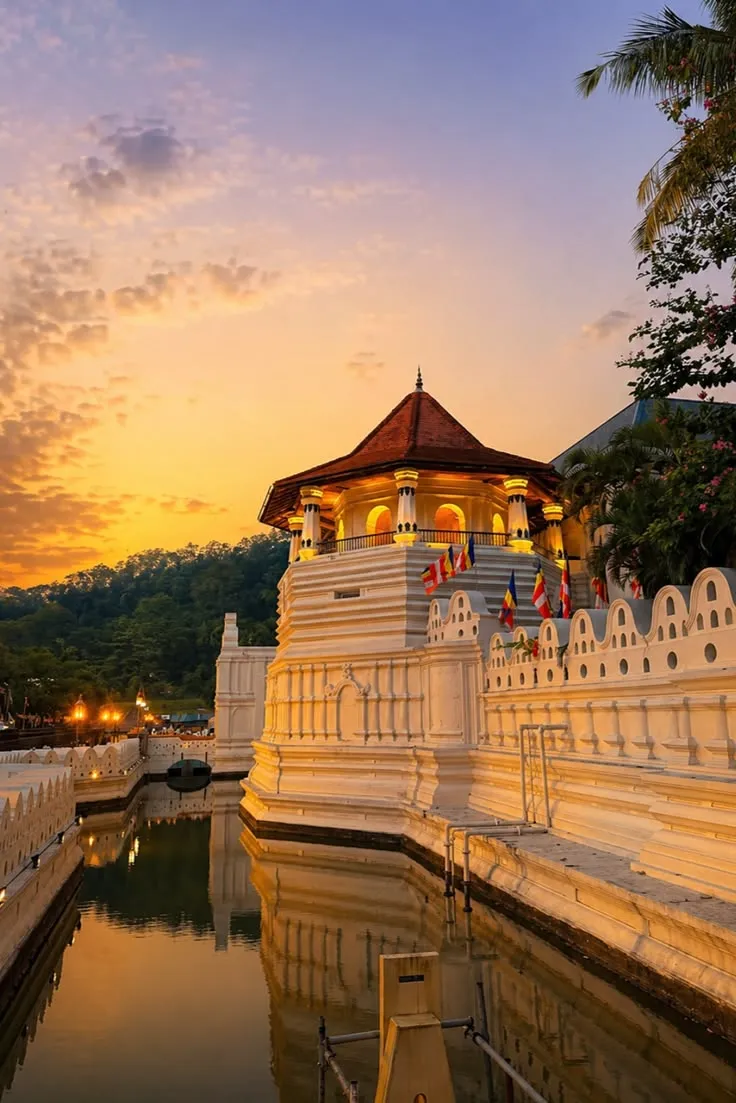
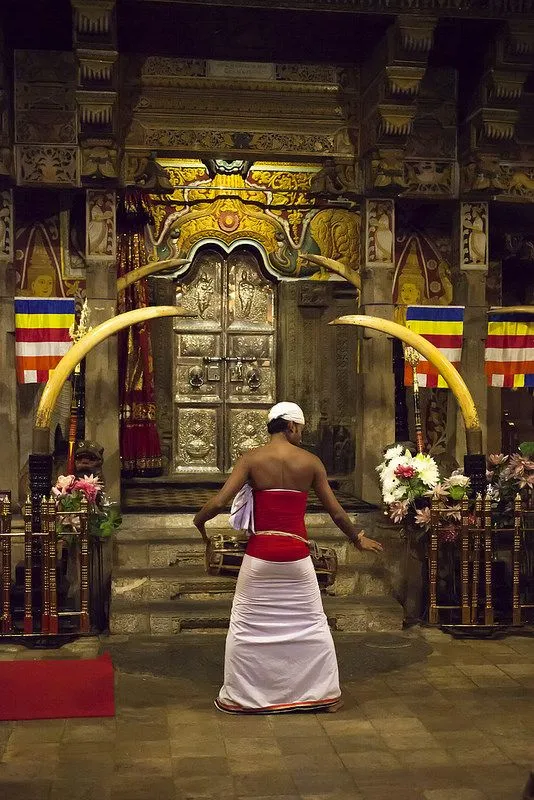

The evening pooja ceremony around 6:30pm offers the most atmospheric experience. As light fades, the temple comes alive with ritual, music, and devotion, creating a profoundly moving spiritual encounter for all visitors.
The most holy Buddhist temple in Sri Lanka remains calm and welcoming. The August festival transforms it into a spectacular celebration, while daily worship continues the centuries-old tradition of honoring the Buddha's sacred relic.

YALA NATIONAL PARK
Yala National Park spans 1,268 square kilometers across Sri Lanka's southeastern coastline. Rich dunes, forests, open plains, and lush lagoons attract 44 mammal species and over 215 bird species to this incredible wildlife sanctuary.
The park boasts one of the highest leopard densities in the world, with about 25 leopards in Block 1 alone. Asian elephant sightings are virtually guaranteed, making Yala essential for any wildlife enthusiast visiting Sri Lanka.
Split into five sectors with two open to visitors, Yala offers far more than big cats. Asian elephants, sloth bears, crocodiles, deer, jackals, and spotted deer thrive across the park's varied terrain and ecosystems.
Over 400 bird species have been recorded here, including 33 rare and endemic varieties. Wetlands, shallow lagoons, and untouched coastline create perfect conditions for observing this extraordinary diversity of avian life.
Landscapes shift from arid savannah to tangled forest to turquoise lagoons. The proximity to the ocean gives Yala a wild, restless edge matched by few parks worldwide, drawing visitors from across the globe year after year.


GALLE FORT
The coastal city of Galle was known as Gimhatiththa during the Anuradhapura era. The Portuguese arrived in 1505 and built the first fortification called Santa Cruz against the local Sinhalese kingdoms of that time.
The Dutch seized the fort in 1640 with help from the Kingdom of Kandy. They transformed it into magnificent ramparts with sophisticated sewage and freshwater drainage systems that still function today.
The Dutch drafted plans to protect their precious spice cargo, forming the core layout of modern Galle Fort. For 150 years, Galle served as the main trading port of Ceylon under Dutch colonial rule.


Galle Fort is a living fort, inscribed as a UNESCO World Heritage Site in 1988. Its old colonial charms and artsy flair create an impression similar to Hoi An in Vietnam for many visitors.
Today the fort remains a vibrant community with boutique hotels, art galleries, cafes, and shops within its ramparts. Narrow streets lined with Dutch-colonial buildings offer stunning Indian Ocean views from the fort walls.

ELLA
Ella is a place that gets under your skin with its waterfalls, misty tea fields, and the iconic Nine Arch Bridge. Compact enough to walk everywhere, it offers some of the best views in all of Sri Lanka.
The town sits at around 1,000 meters above sea level in the central highlands. The elevation brings cooler temperatures, tea-scented air, and morning light that makes you take too many photos.
What makes Ella special is its perfect combination of hiking, waterfalls, viewpoints, and a food scene that punches above its size. Little Adam's Peak and Ella Rock provide stunning panoramas over the countryside.
The Nine Arch Bridge is the main draw, a jaw-dropping viaduct that bends high over the valley below. The train passes every hour, creating one of the most photographed scenes in Sri Lankan travel.
Valleys of green soar in all directions with shadows cast from rocky outcrops. A carpet of lush grass and dark leafy trees blankets the town, proving that nature and humans can coexist beautifully.


PINNAWALA ELEPHANT ORPHANAGE
Established in 1975 by the Department of Wildlife Conservation, Pinnawala cares for orphaned baby elephants found in the wild. Today it houses the largest herd of captive elephants anywhere in the world.
Located in Kegalle District about 90 kilometers from Colombo, the orphanage allows elephants to roam freely. Visitors can observe them bathing in the nearby Maha Oya river twice daily in a spectacular display.
The facility provides safe haven for injured, abandoned, or displaced elephants. The herd now numbers over 80 elephants including several calves born here, fed milk and nourished with leaves and vegetation.


Watch elephants being bottle-fed by their mahouts and observe the close bonds between elephants and caretakers. The orphanage also conducts research on elephant behavior and reproduction for conservation efforts.
The best times to visit are during morning or afternoon feeding sessions and river bathing. The sight of dozens of elephants playing and splashing in the water creates an unforgettable experience for all visitors.

DAMBULLA CAVE TEMPLE
The Rangiri Dambulla Cave Temple is a living Buddhist site with five cave shrines. Inhabited by monks since the 3rd century BCE, it has become one of the largest Buddhist complexes in South and Southeast Asia.
King Valagamba sought refuge in these caves during a 14-year exile in the 1st century BCE. Upon reclaiming his throne, he transformed them into a magnificent temple complex as an expression of gratitude.
The five caves house over 150 statues including a 14-meter reclining Buddha and depictions of Hindu gods. Well-preserved frescoes cover 23,000 square feet, showcasing exceptional craftsmanship throughout the complex.
Successive monarchs enhanced the site over centuries, with major renovations in the 18th century. The spatial hierarchy leads devotees systematically through ritual spaces without physical divisions between them.
Designated a UNESCO World Heritage Site in 1991, the temple maintains continuous Buddhist pilgrimage for over two millennia. It stands as a remarkable testament to living religious tradition and artistic mastery.


ADAM'S PEAK
Adam's Peak rises 2,243 meters from Sri Lanka's central highlands. For over a thousand years, pilgrims have climbed 5,500 steps to witness the perfect triangular shadow cast across the valleys at sunrise.
Buddhists believe the footprint is Buddha's left foot, while Hindus attribute it to Lord Shiva. Muslims see it as Adam's first step from Paradise, and some Christians associate it with St. Thomas the Apostle.
Known locally as Samanala Kanda or Butterfly Mountain, legends say butterflies use this as their final resting place. The pilgrimage trail becomes a radiant pathway when thousands walk under illumination during season.


Peak season runs from December to May when weather is most favorable. Thousands start climbing at 2 AM for the night journey, ringing the summit temple bell once for each successful visit they have made.
The rectangular shadow forms a triangle during sunrise in the phenomenon called Shadow of the Peak. It emerges mysteriously from the valleys, expanding in size like a floating illusion that has fascinated pilgrims for centuries.

MIRISSA BEACH
Mirissa is a laid-back beach town where palm-lined shores meet wild ocean sunsets. The crescent-shaped bay remains beautiful with golden sand and a relaxed atmosphere that makes every day feel longer.
The sand is soft and golden, with palm-lined shores giving a laid-back feel. By day it is calm and chilled, while evenings transform into candle-lit beach dining with fresh seafood restaurants lining the shore.
Mirissa is one of the best places in the world to see blue whales. From November to April, boats head out early morning to spot blue whales, sperm whales, and dolphins just offshore in a humbling spectacle.
Coconut Tree Hill offers one of the most beautiful sunset views on the south coast. Parrot Rock perches just offshore, providing a perfectly framed viewpoint of the bay and surrounding coastline.
Whether watching fishermen haul nets at sunrise or sipping a coconut beneath palm trees, Mirissa makes every moment feel special. This beach town forces you to slow down and be present in the moment.


ANCIENT CITY OF POLONNARUWA
Polonnaruwa became Sri Lanka's second capital after Anuradhapura's destruction in 993. The city contains Brahmanic monuments built by the Chola dynasty and the garden-city created by Parakramabahu the Great.
The ancient city held the Sacred Tooth Relic, talisman of the Sinhalese monarchy. Its removal confirmed Polonnaruwa's downfall, yet the ruins remain remarkably well-preserved and awe-inspiring today.
Parakramabahu transformed Polonnaruwa into a magnificent garden city with vast reservoirs and temples. The Gal Viharaya features four massive Buddha statues carved from a single granite wall.


The Quadrangle contains twelve buildings including the Vatadage, a circular relic house of exceptional beauty. The unusual dimensions and special relationship between buildings and nature make this site remarkable.
Today Polonnaruwa is a UNESCO World Heritage Site and one of Asia's best-preserved ancient cities. Visitors can explore ruins by bicycle, discovering palaces, dagobas, and remarkable ancient irrigation systems.

ANURADHAPURA
Founded in the 4th century BCE, Anuradhapura was the center of Sinhalese civilization for over 1,300 years. Grand palaces, monasteries, and magnificent stupas rivaled the ancient capitals of India and Rome.
A sapling from the Buddha's enlightenment tree was brought here in the 3rd century BCE. The Jaya Sri Maha Bodhi, planted by Princess Sangamitta, still grows as the oldest documented tree planted by human hands.
At its peak, tens of thousands of monks and a thriving urban population called Anuradhapura home. Ingenious irrigation systems fed rice paddies and reservoirs that still function in the surrounding countryside today.
The Ruwanweli Maha Seya, built by King Dutugemunu in the 2nd century BCE, is the spiritual heart of Anuradhapura. Pilgrims have circled this enormous white stupa barefoot for centuries in quiet devotion.
Rediscovered and restored, it is now a UNESCO World Heritage Site spanning over 40 square kilometers. White stupas, moss-covered monasteries, jungle-clad ruins, and sprawling reservoirs await curious travelers.


HORTON PLAINS
Horton Plains lies at 2,100 to 2,300 meters elevation in Sri Lanka's Central Highlands. Originally called Maha Eliya, it was renamed after British Governor Sir Robert Wilmot Horton in the 19th century.
The park covers 3,160 hectares and contains Kirigalpoththa and Totupolakanda, the second and third highest peaks in Sri Lanka. The Central Highlands were declared a UNESCO World Heritage Site in 2010.
Vegetation consists of montane grasslands and evergreen cloud forests. Close to 750 plant species have been observed including dwarf bamboo, Myrtaceae, Lauraceae, ferns, lichens, and beautiful wild orchids.


World's End is a sheer cliff with an 880-meter drop, while Baker's Falls cascades 20 meters through the forest. The circular hiking trail takes visitors past these dramatic viewpoints through mystical cloud forests.
Temperatures reach 27 degrees by day but drop to 5 degrees at night with thick mist formation. It is the coldest and windiest place in Sri Lanka, creating a unique ecosystem found nowhere else on the island.

UDAWALAWE NATIONAL PARK
Udawalawe National Park covers approximately 308 square kilometers in southern Sri Lanka. Established in 1972, it was created to provide safe habitat for elephants displaced by the Udawalawe Reservoir construction.
The park is famous for its large Asian elephant population, often observed in herds of varying sizes. With over 500 elephants residing here, sightings are virtually guaranteed on any safari visit.
Terrain blends open grasslands, marshes, scrublands, and pockets of dense forest. The Udawalawe Reservoir creates a dramatic backdrop, particularly beautiful during the golden hours of dawn and dusk.
Other mammals include leopards, sloth bears, sambar deer, wild boars, and the endemic toque macaque. Over 210 bird species include the Sri Lanka grey hornbill, serpent eagle, and migratory painted storks.
The Elephant Transit Home on the park's outskirts cares for orphaned calves before wild reintroduction. Visitors watch baby elephant feedings from a viewing deck, observing these magnificent creatures without disturbing them.


BENTOTA BEACH
Bentota is a coastal town 65 kilometers south of Colombo, renowned for pristine golden beaches and calm turquoise waters. It has long been a favored destination for tourists seeking a peaceful beach retreat.
The Bentota River creates a unique lagoon environment perfect for water sports. Visitors enjoy jet skiing, windsurfing, banana boat rides, and river safaris in calm waters ideal for beginners and families.
The beach stretches for several kilometers with plenty of space for sunbathing, swimming, and long walks. Palm-fringed coastline provides natural shade, and gentle waves make it one of the safest swimming beaches.


Bentota is known for Ayurvedic wellness centers and spa resorts offering traditional Sri Lankan healing therapies. Luxury hotels line the beach with world-class amenities while maintaining natural coastal beauty.
The nearby Brief Garden by landscape architect Bevis Bawa is a hidden gem worth visiting. This enchanting garden features sculptures, pavilions, and tropical plants arranged in beautiful outdoor rooms.

NUWARA ELIYA
Nuwara Eliya is often called Little England by the tourist industry. Winding roads through lush green valleys and tea estates lead to a town offering a typical English environment in the tropics.
Its unique climate features early morning mist, cold tangy air, and a fresh invigorating atmosphere. The town has a golf course, race course, horses, rose gardens, and charming British-style houses throughout.
Planned by the British and declared a town in 1828, the pink brick Victorian Post Office remains a landmark. The golf course blends beautifully with surrounding tea plantations, fauna, and flora.
Many locals visit during April and May, the warmest months, when Colombo's elite seek cool relief. Most British visitors feel they are in England, hence the nickname given by foreign visitors over the years.
Visitors enjoy fresh vegetables and leisurely walks around beautiful Lake Gregory with stunning scenery. Rugged mountains outlined against clear blue skies create a breathtaking backdrop in this charming hill station.


ARUGAM BAY
Arugam Bay is the jewel of Sri Lanka's surf towns with beautiful right-hand point breaks for every level. It makes Sri Lanka an all-round surf destination with rideable conditions spread across the island year-round.
Point breaks like Main Point and Whiskey Point offer long right-hand peels running up to 400 meters. The atmosphere during peak season is electric with beachfront cafes and international travelers enjoying the waves.
Whether you are an expert chasing barrels or a beginner at Baby Point, the warm water means no wetsuit needed. Surfboard rentals and experienced instructors cater to all skill levels throughout the season.


Beyond surfing, Arugam Bay offers lagoon tours, wildlife safaris to Kumana National Park, and yoga retreats. Peanut Farm Beach provides a more secluded experience away from the main break.
The best time to visit is May to September when the east coast enjoys dry season and consistent swells. Surf competitions, beach parties, and a vibrant international community create an unforgettable atmosphere.

TRINCOMALEE
Trincomalee is a port city on Sri Lanka's northeast coast with one of the largest natural harbors in the world. It has been a strategic maritime hub for centuries, attracting traders and naval powers globally.
The district features untouched coastlines with Nilaveli Beach prime for whale watching and diving. The Koneswaram Temple perched on Swami Rock is one of the most important Hindu temples in Sri Lanka.
Trincomalee offers diversity, culture, and religion through sites like Koneswaram Temple and Fort Frederick. This colonial-era fort was built by the Portuguese and later occupied by the Dutch and British.
Pigeon Island National Park off Nilaveli is a marine sanctuary famous for coral reefs and snorkeling. Visitors swim alongside black-tip reef sharks and sea turtles in crystal-clear waters.
Uppuveli Beach is the best area to stay, with a calm vibe and trendy restaurants. From here you can easily reach Nilaveli Beach or Fort Frederick, making Trincomalee ideal for beach lovers and history enthusiasts.


JAFFNA
Jaffna was Sri Lanka's second city and the symbolic capital of the northern region. It is a busy, mercantile place with a dense commercial center and quieter leafy periphery, ideally explored by bicycle.
The New Market Complex stands at Jaffna's bustling heart, a two-storey structure clad in luminous ochre. Shaded courtyards open onto food markets and the bus station, creating a vibrant trading hub.
The Nallur Kandaswamy Devasthanam is one of the most revered Hindu temples in the area, dedicated to Kartikeya. Over 500 Hindu temples in Jaffna make it a significant center of Tamil religious culture.


The Jaffna Library, once one of Asia's largest with nearly 100,000 books, was burned in 1981. Today restored and reopened, it stands as an architectural landmark and symbol of resilience.
War scars remain visible yet the city rebuilds with determination. Jaffna offers a unique cultural experience distinct from the rest of Sri Lanka, with Tamil heritage, delicious cuisine, and warm hospitality.

SINHARAJA FOREST
Sinharaja Forest Reserve is Sri Lanka's only rainforest and a UNESCO World Heritage Site. More than 50 percent of its plants and animals are endemic, with some species found nowhere else on Earth.
Covering approximately 11,000 hectares, the forest receives rainfall from both monsoons. Dense canopy, towering trees, and thick undergrowth create a mystical atmosphere transporting visitors into a prehistoric world.
Wildlife enthusiasts spot the Sri Lankan giant squirrel, green pit viper, hump-nosed lizard, and Serendib scops owl. Birdwatchers enjoy endemic species like the Sri Lanka blue magpie and red-faced malkoha.
Entry is only on foot with a compulsory guide. Several trails wind past waterfalls, streams, and giant trees with buttress roots. The entrance fee includes a local guide for visitor safety.
The forest serves as a crucial catchment area for southern Sri Lanka's rivers. Its conservation maintains the island's biodiversity and water resources, making every visit a journey into one of Sri Lanka's most precious natural treasures.


KITULGALA
Kitulgala is Sri Lanka's adventure capital on the banks of the Kelani River. It gained international fame as the filming location for The Bridge on the River Kwai in 1957.
White water rafting is the main attraction with five major rapids and four smaller ones. Rapids graded 2 and 3 make them ideal for beginners and experienced rafters alike on this thrilling river.
Beyond rafting, Kitulgala offers abseiling, canyoning, waterfall trekking, and jungle camping. The surrounding rainforest is rich in biodiversity with numerous birds, butterflies, and endemic wildlife.


The nearby Belilena Cave is one of Sri Lanka's largest caves with evidence of prehistoric habitation dating back over 12,000 years. Excavations uncovered tools and remains of Balangoda Man.
Lush greenery, cascading waterfalls, and the rushing river make Kitulgala a photographer's paradise. Whether seeking adrenaline or peaceful nature, it delivers an unforgettable experience in beautiful surroundings.

MINNERIYA NATIONAL PARK
Minneriya National Park is world-famous for the annual Gathering, where hundreds of elephants congregate around the ancient Minneriya Tank. This is the largest wild elephant gathering in South Asia.
The Minneriya Tank is a 4,760-acre reservoir built by King Mahasen around 277 to 304 AD. A 13-meter dam across the Minneriya River holds over 20 billion gallons of water.
During the dry season from May to September, herds migrate here in search of water. Up to 300 elephants feed on grasslands bordering the tank while others cool off in the giant reservoir.
The park also hosts leopards, sloth bears, spotted deer, sambar deer, wild buffalo, crocodiles, and numerous birds. Low-canopy forests, scrubland, grasslands, and swamps create a diverse ecosystem.
A safari offers thrilling wildlife experiences with elephants interacting, playing, and bathing. The sight of hundreds of majestic creatures against the backdrop of the ancient tank is truly unforgettable.


COLOMBO
Colombo is Sri Lanka's largest city and commercial capital, home to around a million people. Situated in the western province, it is the administrative and economic center covering 37 square kilometers.
The city showcases Sri Lanka's Asian and European heritage. Ancient shrines stand next to churches while skyscrapers rise above time-honored shops, creating a fascinating blend of old and new.
Colombo's architecture reflects Portuguese, Dutch, and British colonization visible throughout the city. The Galle Face Green promenade is a 5-hectare strip between Galle Road and the Indian Ocean.


The city offers historical monuments, colonial architecture, beaches, fine dining, nightlife, and shopping. Pettah is the bustling shopping quarter famous for traditional shops and markets.
Temples, mosques, and churches cater to the diverse population enriching the city's culture. Gangaramaya Temple and Seema Malaka offer spiritual serenity amid the mayhem of city streets.

RAVANA FALLS
Ravana Falls is one of Sri Lanka's widest waterfalls at approximately 25 meters high. Located within the Ravana Ella Wildlife Sanctuary, it sits just 6 kilometers from Ella Railway Station.
Named after the legendary Ravana from the Ramayana epic, legend says he hid Princess Sita in caves behind this waterfall during her captivity. The cave is now known as Ravana Ella Cave.
The waterfall cascades from an oval-shaped concave rock outcrop. During the wet season it resembles an areca flower with withering petals, while the dry season brings a gentler but still beautiful flow.
Visitors can climb rocks for closer views, and lower pools offer refreshing swims. Adventure seekers find awe-inspiring vistas of both the falls and Ella's treasured surroundings from nearby viewpoints.
Best visited during the rainy season when water is most impressive, the falls are a popular stop along the Ella-Wellawaya road. Natural beauty combined with mythological significance makes it a hill country must-visit.


PIGEON ISLAND
Pigeon Island National Park is a marine sanctuary about 1 kilometer off Nilaveli near Trincomalee. It consists of two islands surrounded by coral reefs home to incredible marine diversity.
Designated a national park in 2003, it is one of two marine national parks in Sri Lanka. Over 100 coral species and 300 reef fish species have been recorded in the waters around the islands.
Snorkeling and diving are the main activities with black-tip reef sharks, sea turtles, and colorful reef fish. Crystal-clear water offers excellent visibility making it a premier snorkeling destination.


The islands are an important breeding ground for rock pigeons that give the park its name. The larger island has rocky outcrops and small beaches, while the smaller is surrounded by shallow coral gardens.
Best visited between April and September when the east coast enjoys calm seas and clear waters. Boat trips from Nilaveli Beach combine pristine marine ecosystems with beautiful island scenery.

KAUDULLA NATIONAL PARK
Kaudulla National Park sits in Sri Lanka's North Central Province, declared a protected area in 2002. It surrounds the ancient Kaudulla Tank built by King Mahasen, forming part of the elephant corridor.
Covering about 6,900 hectares, the park is famed for spectacular elephant gatherings. During the dry season from July to October, hundreds of elephants congregate around the ancient Kaudulla Reservoir.
The Gathering sees families and herds drinking, bathing, and socializing in receding waters and lush grass. Witnessing so many magnificent creatures interacting is a truly unforgettable wildlife experience.
The park supports 24 mammal species, 160 bird species, 9 amphibians, 25 reptiles, and 75 butterflies. Other wildlife includes sambar deer, axis deer, wild boar, sloth bears, and occasional leopards.
Kaudulla offers a quieter safari experience compared to busier parks. Open landscapes provide clear sightlines for photography, and the calm atmosphere allows more time observing animals and less time waiting in vehicle queues.


SRI MAHA BODHI
The Jaya Sri Maha Bodhi is a sacred fig tree in Anuradhapura, believed to be a sapling from the historical Bodhi Tree in Bodh Gaya where Buddha attained enlightenment. Planted in 288 BCE, it is the oldest living human-planted tree with a known date.
Princess Sangamitta, daughter of Emperor Ashoka, brought the sapling to Sri Lanka as part of his mission to spread Buddhism. King Devanampiya Tissa planted it in Mahamevnawa Gardens, marking Buddhism's establishment in Sri Lanka.
For over 2,300 years, generations of monks and devotees have carefully tended and protected this sacred tree. It remains the most sacred relic in Sri Lanka, venerated by millions of Buddhists worldwide.


The tree is surrounded by a golden railing and protective walls. Devotees dressed in white circle clockwise, offering flowers, lighting oil lamps, and meditating in its shade with deep reverence.
The Sri Maha Bodhi stands as a testament to enduring faith and the deep connection between nature and spirituality. It is a living symbol of Buddhism's roots in Sri Lanka and a beacon of enlightenment for pilgrims.

HIKKADUWA BEACH
Hikkaduwa lies along Sri Lanka's sun-warmed southwest coast about two hours from Colombo. It evolved from a fishing village into one of the island's most popular coastal destinations with constant energy.
The Hikkaduwa National Park protects a coral reef rich with color and species. Snorkeling means sharing space with turtles and schools of reef fish, while surf breaks suit beginners and advanced riders alike.
Hikkaduwa Beach is the town's heart, providing a wide golden stretch for swimming, sunbathing, and sunset walks. The north end near the coral sanctuary is ideal for swimming and snorkeling.
Turtles appear near shore throughout the year, often at the north end of the beach. At sunrise or sunset you can watch them feeding on seagrass, while hatcheries care for injured turtles focusing on rehabilitation.
The community rebuilt with strength after the 2004 tsunami and honors that history through education. Today the area feels lived-in and cared-for, making Hikkaduwa one of the most authentic beach destinations in Sri Lanka.


KELANIYA RAJA MAHA VIHARA
The Kelaniya Raja Maha Vihara is one of Sri Lanka's most sacred Buddhist temples, located 11 kilometers northeast of Colombo. Tradition says the Buddha visited Kelaniya during his third and final visit to the island.
The temple is famous for beautiful paintings by renowned artist Solias Mendis adorning the image house walls. These frescoes depict scenes from Buddha's life and Sri Lankan Buddhist history in a distinctive blended style.
The complex features a large dagoba said to enshrine a gem-studded throne where the Buddha sat and preached. The annual Duruthu Perahera in January is one of Sri Lanka's most spectacular religious processions.


Architecture reflects a blend of Kandyan and modern styles with intricate wood carvings, painted ceilings, and ornate decorations. The serene atmosphere and artistic treasures make Kelaniya spiritually and culturally important.
Situated on the banks of the Kelani River, the temple offers peaceful retreat from Colombo's bustle. It remains an active place of worship where devotees meditate, make offerings, and seek blessings daily.

BUNDALA NATIONAL PARK
Bundala National Park is a coastal sanctuary in Hambantota District, declared a wildlife sanctuary in 1969 and upgraded to national park status in 1993. It was Sri Lanka's first wetland to receive Ramsar designation and is a UNESCO Biosphere Reserve.
The park protects salt pans, lagoons, scrub forests, dunes, marshes, and coastal areas. These diverse environments create one of the country's most important ecological zones for resident and migratory birds.
Bundala is home to over 230 bird species, making it a paradise for birdwatchers. Thousands of greater flamingos arrive during the northern winter to feed in the shallow lagoons in a spectacular display.
Unlike parks focused on large mammals, Bundala stands out for wetland ecosystems. Visitors spot elephants, crocodiles, monkeys, deer, and numerous reptiles while enjoying more intimate safari routes.
The park appeals strongly to birding and nature photography enthusiasts. Quieter atmosphere creates stronger connection with nature, and changing landscapes of wetlands and coastal scenery provide endless creative possibilities.


KNUCKLES MOUNTAIN RANGE
The Knuckles Mountain Range sits northeast of Kandy in central Sri Lanka. Locals call it Dumbara Kanduvetiya, meaning mist-laden mountain range, while the English name comes from peaks resembling a clenched fist.
The Knuckles Conservation Forest covers about 155 square kilometers with elevation from 900 to over 1,900 meters. This variation creates many microclimates, each supporting different plant and animal life.
Terrain changes fast through cloud forests, open grasslands, river valleys, and rocky ridges. Key features include Mini World's End with its deep valley view and Pitawala Pathana's unusual rock formations.


Remote villages like Meemure surround the conservation forest where life follows traditional patterns. Homestays offer home-cooked meals and the chance to join daily routines of small-scale farming and cultivation.
The Knuckles offers rare mix of nature, culture, and adventure through untouched forests and natural habitats. It is a destination with depth and authenticity for those seeking to escape the crowds.

KALPITIYA
Kalpitiya is a coastal town on Sri Lanka's northwestern coast on a peninsula separating Puttalam Lagoon from the Indian Ocean. It is one of the country's best-kept secrets with pristine beaches and relatively undeveloped charm.
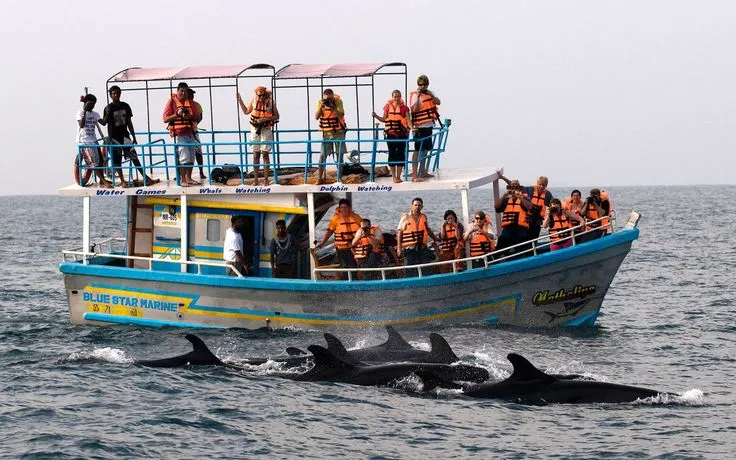
Waters off Kalpitiya host large pods of spinner dolphins with almost guaranteed sightings on boat trips. Between November and April, the area becomes prime for spotting sperm whales and elusive blue whales.
Kalpitiya has emerged as Sri Lanka's premier kitesurfing destination. Consistent winds and flat lagoon waters create perfect conditions for beginners and advanced riders, attracting enthusiasts from around the world.
The nearby Dutch Fort dates to the 17th century, offering glimpse into colonial history. The area features Catholic churches, fishing villages, and salt pans creating a unique cultural landscape.
The Bar Reef just offshore is Sri Lanka's largest coral reef with excellent snorkeling and diving. Kalpitiya's untouched nature, diverse marine life, and water sports make it ideal for adventure seekers and nature lovers.


DELFT ISLAND
Delft Island, known locally as Neduntheevu, is the largest island in the Palk Strait off Sri Lanka's northern coast. Named by the Dutch after their city of Delft, it is known for wild horses and unique heritage.
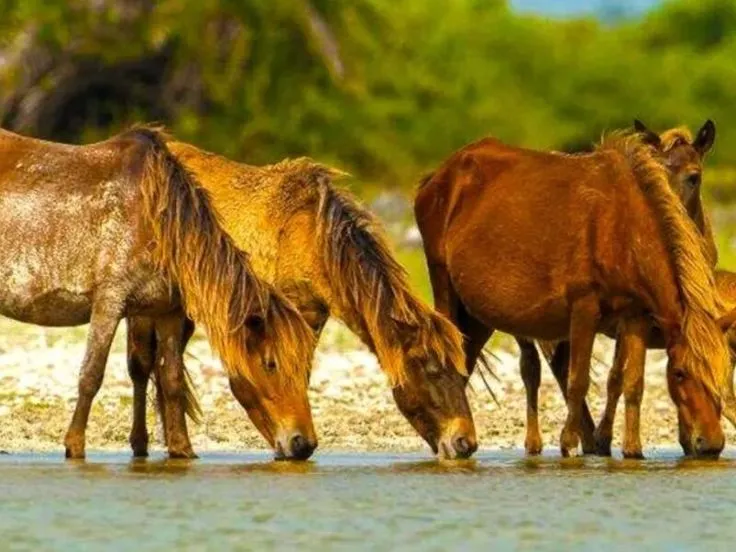
The island is home to wild horses, descendants of animals brought by the Portuguese and left by the Dutch. These horses roam freely across grassy plains, creating a surreal African savanna-like landscape.
Delft is surrounded by coral walls built in the Dutch colonial era from chunks of surrounding reef. These walls, some several feet high, were used for boundaries and livestock containment and remain remarkably intact.
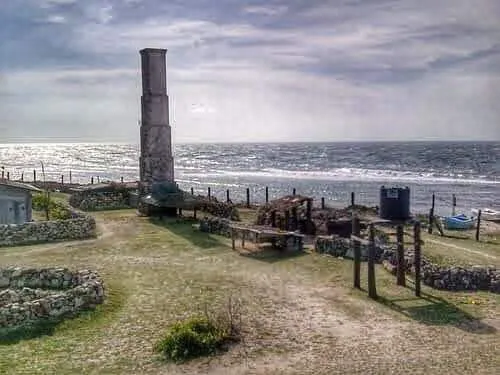
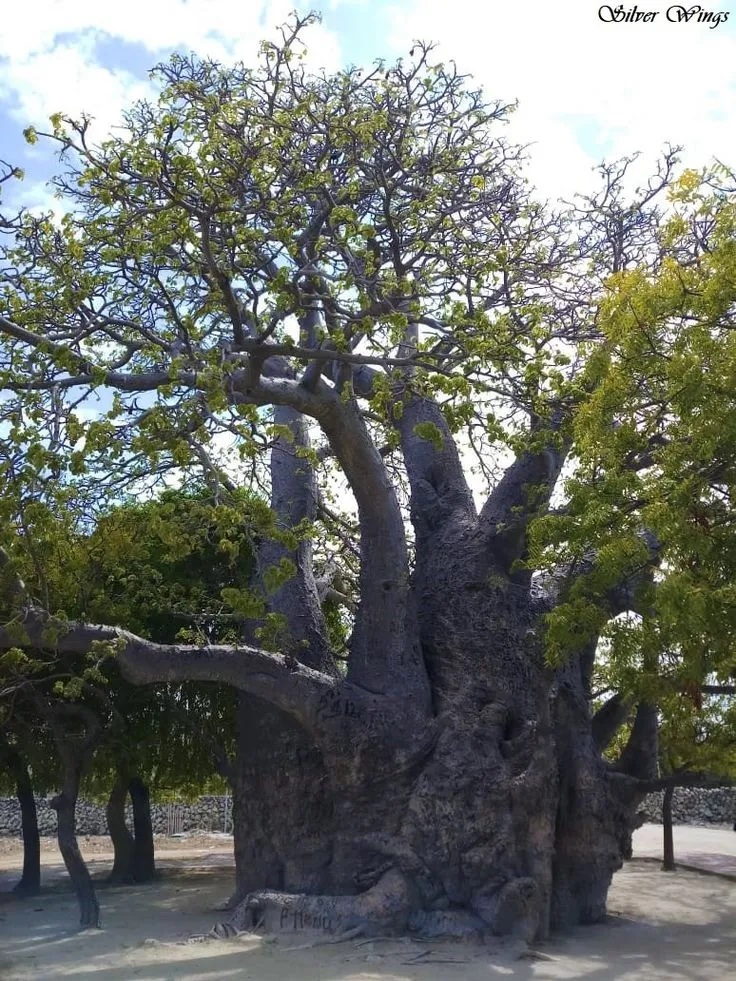
The island features a Portuguese fort, Dutch hospital, and the ancient Queen's Tower navigational beacon. Baobab trees planted by colonial settlers add to the otherworldly atmosphere of this remote outpost.
Life on Delft moves slowly with fishing and agriculture as main livelihoods. The island's isolation preserves natural beauty and traditional way of life, making it fascinating for those venturing off the beaten path.

GREGORY LAKE
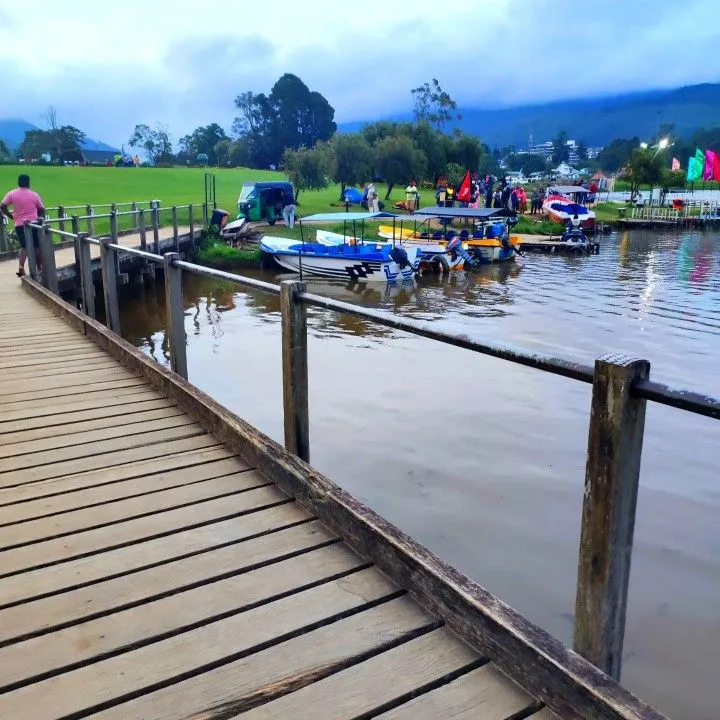
Lake Gregory is a picturesque reservoir in the heart of Nuwara Eliya, surrounded by rolling hills and lush greenery. Built in 1873 by Governor William Gregory, it was created by damming the Nanu Oya stream for British recreation.
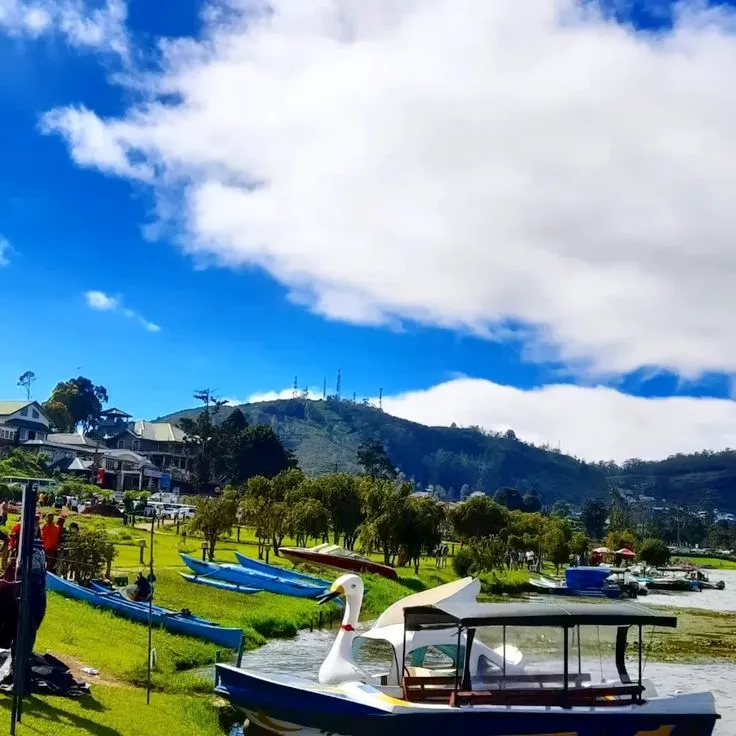
Today it is one of Nuwara Eliya's most popular attractions, offering boat rides, pony rides along the shore, and walking paths encircling the water. The cool climate and scenic beauty make it a favorite spot.
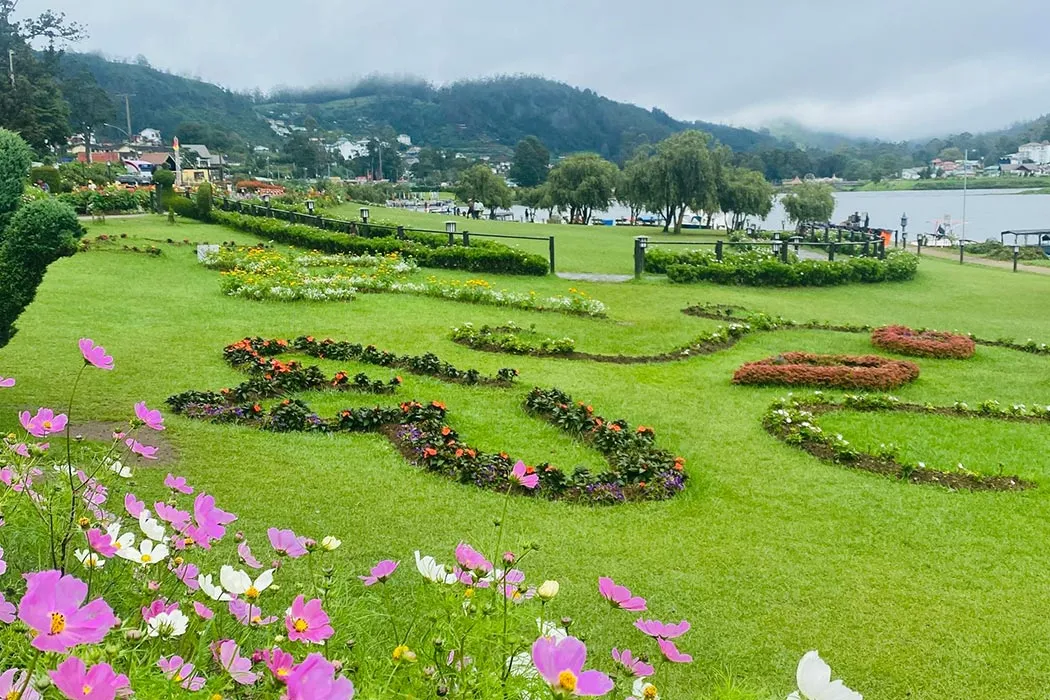
The lake is surrounded by well-maintained parks and gardens with Hakgala Botanical Garden visible in the distance. On clear days, mountain reflections in calm waters create postcard-perfect scenes.
The area has picnic spots, children's play areas, and food stalls serving local snacks. During April season, the lake becomes a hub of activity with families enjoying pleasant weather and festive atmosphere.
A leisurely walk around the lake offers stunning scenery and panoramic vistas with rugged mountains against clear blue skies. Whether jogging in the morning or boating in the afternoon, it provides serene highland escape.
MAHIYANGANAYA
Mahiyanganaya in Uva Province holds immense historical and religious significance. It is believed to be the site of Buddha's first visit to Sri Lanka, where he preached to the indigenous Yaksha tribe.
The Mahiyangana Stupa, originally built by King Devanampiya Tissa in the 3rd century BCE, marks this sacred spot. Successive kings enlarged and renovated it over centuries, making it a major pilgrimage site.
The town is gateway to the indigenous Veddha community, Sri Lanka's aboriginal people. Village tours offer rare glimpses into their unique culture and traditions unchanged for thousands of years.


Nearby Sorabora Lake offers scenic views and boating opportunities. Built by legendary giant Bulatha according to folklore, it remains an important irrigation reservoir for the region.
Mahiyanganaya serves as base for exploring Wasgamuwa National Park and Rathna Ella waterfall. Its combination of religious significance, indigenous culture, and natural attractions makes it a unique destination.

BADULLA
Badulla is the capital of Uva Province, nestled in the lower central highlands. One of Sri Lanka's oldest towns with history dating to the pre-Christian era, it serves as an important commercial and transportation hub.
Surrounded by tea plantations, vegetable farms, and scenic mountain views, the cool climate and lush greenery make it pleasant for travelers. Badulla is also the terminus of the scenic upcountry railway line.
The Muthiyangana Raja Maha Viharaya is one of Badulla's most important temples, believed visited by Buddha during his third visit to Sri Lanka. The complex features a historic dagoba and ancient stone inscriptions.
Dunhinda Falls, about 5 kilometers from town, is one of Sri Lanka's most beautiful waterfalls. The 64-meter cascade creates misty spray resembling a veil of smoke, giving the falls their evocative name.
Badulla offers authentic hill country life away from touristy destinations. The bustling market, friendly locals, and surrounding natural beauty make it worthwhile for travelers discovering the island's interior gems.


AVUKANA BUDDHA STATUE
The Avukana Buddha Statue is a magnificent standing Buddha carved from a single granite rock face near Kala Wewa reservoir. Standing approximately 12 meters tall, it is one of the finest examples of ancient Sinhalese sculpture.
Believed created in the 5th century during King Dhatusena's reign, it depicts Buddha in Ashivaaka Mudra with right hand raised in blessing and left hand holding the robe. Intricate details and serene expression are remarkable.
What makes Avukana unique is that it is carved in the round but remains attached to the rock face at the back. Sculptors achieved perfect proportions with height exactly nine times the head length, following classical Buddhist iconography.


The statue faces Kala Wewa tank, and legend says it was carved in competition between a master sculptor and his pupil. The master completed this statue while the pupil created the Sasseruwa Buddha nearby.
The Avukana Buddha Statue testifies to extraordinary artistic and engineering skills of ancient Sri Lanka. Its serene presence and beautiful rural setting make it deeply moving for Buddhists and art admirers alike.

MUNNESWARAM TEMPLE
The Munneswaram Temple is an important Hindu temple complex in Chilaw on Sri Lanka's west coast. It is one of five ancient Ishwarams dedicated to Shiva, attracting devotees from across the island for over a thousand years.
Legend associates the temple with the Ramayana epic. Lord Rama, after defeating Ravana, stopped here and installed a lingam to absolve himself of killing a Brahmin, adding to its religious significance.
The complex consists of several shrines with the main one dedicated to Lord Shiva. Architecture features intricate carvings, colorful gopurams, and beautifully decorated halls famous for the annual chariot festival.
The temple is also known for Munneswaram Pattini Devale dedicated to goddess Pattini, revered by both Hindus and Buddhists. This shared veneration reflects the religious harmony characterizing Sri Lankan society.
Located near Chilaw lagoon, the temple offers a peaceful setting with temple bells and incense filling the air. The combination of religious significance, architectural beauty, and coastal location makes it unique.


GALLE FACE GREEN
Galle Face Green is a 5-hectare ocean-side urban park in the heart of Colombo, stretching along the coast between Galle Road and the Indian Ocean. It is the city's largest open space and beloved gathering place.
Originally created by the British in 1859 as a horse racing course and golf ground, it has evolved into Colombo's most popular public space. Families and friends flock here evenings to fly kites and enjoy street food.
The promenade is lined with vendors selling isso wade, a popular lentil patty topped with whole prawns. The salty breeze, sound of waves, and vibrant atmosphere create an experience quintessentially Colombo.


The green is flanked by iconic buildings including the Galle Face Hotel, one of Asia's oldest hotels, and modern Shangri-La Colombo. The contrast between colonial architecture and skyscrapers captures Sri Lanka's evolving identity.
In recent years Galle Face Green has become a symbol of civic engagement, hosting protests, celebrations, and public gatherings. It remains Colombo's beating heart where diverse communities come together to relax and rejoice.

PIDURANGALA ROCK
Pidurangala Rock is a massive formation just north of Sigiriya offering spectacular views of the Lion Rock from its summit. While Sigiriya draws crowds, Pidurangala provides a more adventurous and less crowded alternative.
The hike to the top takes 30 to 45 minutes over boulders and through forest. Halfway up, hikers pass an ancient temple with a reclining Buddha statue from a monastery dating to King Kashyapa's time.
The summit offers unobstructed 360-degree views of surrounding countryside with Sigiriya rising majestically in the distance. The view is particularly stunning at sunrise when morning light paints the landscape gold and pink.
The rock is geologically similar to Sigiriya, formed from the same ancient volcanic activity. Its name translates to Offered Rock, referring to its historical use as a monastery for monks when Kasyapa moved his capital.
For photographers and nature lovers, Pidurangala is essential. The combination of historical significance, natural beauty, and unbeatable views of one of Sri Lanka's most iconic landmarks makes it a Cultural Triangle must-visit.


SEETHA AMMAN TEMPLE
The Seetha Amman Temple is a unique Hindu temple in Seetha Eliya near Nuwara Eliya. It is believed to mark where Sita, wife of Lord Rama, was held captive by demon king Ravana according to the Ramayana epic.
Built at the foot of a hill beside a stream, legend says Sita bathed in these waters during captivity. Hanuman's footprints are said to be imprinted on a nearby rock, adding to the site's mythological significance.
The temple complex features colorful statues and shrines dedicated to Rama, Sita, Lakshmana, and Hanuman. Vibrant architecture and lush green surroundings create a serene atmosphere attracting devotees and curious travelers.


The area has unusual soil formations with some rocks bearing what appear to be fossilized footprints. Local guides explain Ramayana connections, weaving together mythology, geology, and folklore into fascinating narratives.
Whether a Ramayana believer or simply interested in Sri Lanka's cultural tapestry, the temple offers a unique experience. Religious significance, natural beauty, and mythological intrigue make it a memorable hill country stop.